- 1ComidaLetraVídeoArnaldo Antunes / Marcelo Fromer / Sérgio Britto
BEBIDA É ÁGUA.
COMIDA É PASTO.
VOCÊ TEM SEDE DE QUÊ?
VOCÊ TEM FOME DE QUÊ?
A GENTE NÃO QUER SÓ COMIDA,
A GENTE QUER COMIDA,
DIVERSÃO E ARTE.
A GENTE NÃO QUER SÓ COMIDA,A GENTE QUER SAÍDA
PARA QUALQUER PARTE
A GENTE NÃO QUER SÓ COMIDA,
A GENTE QUER BEBIDA,
DIVERSÃO, BALÉ.
A GENTE NÃO QUER SÓ COMIDA,
A GENTE QUER A VIDA
COMO A VIDA QUER.
BEBIDA É ÁGUA.
COMIDA É PASTO.
VOCÊ TEM SEDE DE QUÊ?VOCÊ TEM FOME DE QUÊ?
A GENTE NÃO QUER SÓ COMER,
A GENTE QUER COMER
E QUER FAZER AMOR.
A GENTE NÃO QUER SÓ COMER,
A GENTE QUER PRAZER
PRA ALIVIAR A DOR.
A GENTE NÃO QUER SÓ DINHEIRO,
A GENTE QUER DINHEIRO
E FELICIDADE.
A GENTE NÃO QUER SÓ DINHEIRO,A GENTE QUER INTEIRO
E NÃO PELA METADE.
BEBIDA É ÁGUA.
COMIDA É PASTO.
VOCÊ TEM SEDE DE QUÊ?
VOCÊ TEM FOME DE QUÊ? - 2Bem Que Se QuisLetraVídeoPino Danielle / Nelson Motta
BEM QUE SE QUIS
DEPOIS DE TUDO
AINDA SER FELIZ
MAS JÁ NÃO HÁ CAMINHO
PRA VOLTAR.O QUE É QUE A VIDA FEZ
DA NOSSA VIDA?
O QUE É QUE A GENTE
NÃO FAZ POR AMOR?
MAS TANTO FAZ,
JÁ ME ESQUECI DE
TE ESQUECER PORQUE
O TEU DESEJO
É O MEU MELHOR PRAZER
E O MEU DESTINO
É QUERER SEMPRE MAIS
A MINHA ESTRADA
CORRE PRO TEU MAR.AGORA VEM
PRA PERTO VEM
VEM DEPRESSA VEM SEM FIM
DENTRO DE MIM
QUE EU QUERO SENTIR
O TEU CORPO PESANDO
SOBRE O MEU
VEM MEU AMOR
VEM PRA MIM,
ME ABRAÇA DEVAGAR,
ME BEIJA E ME FAZ ESQUECER. - 3ChocolateLetraVídeoTim Maia
CHOCOLATE,
CHOCOLATE, CHOCOLATE
EU SÓ QUERO CHOCOLATE
SÓ QUERO CHOCOLATE
NÃO ADIANTA VIR COM
GUARANÁ PRA MIM
É CHOCOLATE
O QUE EU QUERO BEBER* NÃO QUERO PÓ
NÃO QUERO RAPÉ
NÃO QUERO COCAÍNA
ME LIGUEI NO CHOCOLATE
EU ME LIGUEI
SÓ QUERO CHOCOLATE
NÃO ADIANTA VIR
COM GUARANÁ PRA MIM
É CHOCOLATE
O QUE EU QUERO BEBERCHOCOLATE,
CHOCOLATE, CHOCOLATE
NÃO ADIANTA VIR
COM GUARANÁ PRA MIM
É CHOCOLATE
O QUE EU QUERO BEBERNÃO QUERO CHÁ
NÃO QUERO CAFÉ
NÃO QUERO COCA-COLA
ME LIGUEI NO CHOCOLATE
SÓ QUERO CHOCOLATE
EU SÓ QUERO CHOCOLATE
SÓ QUERO CHOCOLATE
NÃO ADIANTA VIR
COM GUARANÁ PRA MIM
É CHOCOLATE
O QUE EU QUERO BEBER. - 4Ando Meio DesligadoLetraVídeoArnaldo Baptista / Sérgio Baptista / Rita Lee
ANDO MEIO DESLIGADO
EU NEM SINTO MEUS PÉS
NO CHÃO OLHO
E NÃO VEJO NADA
EU SÓ PENSO
SE VOCÊ ME QUEREU NEM VEJO A HORA
DE TE DIZER
AQUILO TUDO QUE EU DECOREI
E DEPOIS DO BEIJO
QUE EU JÁ SONHEI
VOCÊ VAI SENTIR
MAS POR FAVOR
NÃO LEVE A MALEU SÓ QUERO QUE VOCÊ
ME QUEIRA NÃO
LEVE A MAL - 5Preciso Me EncontrarLetraSamba de Candeia
DEIXE-ME IR, PRECISO ANDAR
VOU POR AÍ A PROCURAR
RIR PRA NÃO CHORARQUERO ASSISTIR AO SOL NASCER
VER AS ÀGUAS DOS RIOS CORRER
OUVIR OS PÁSSAROS CANTAR
EU QUERO NASCER,
QUERO VIVERDEIXE-ME IR PRECISO ANDAR
VOU POR AÍ A PROCURAR
RIR PRA NÃO CHORARSE ALGUÉM
POR MIM PERGUNTAR
DIGA QUE EU
SÓ VOU VOLTAR
QUANDO EU ME ENCONTRARQUERO ASSISTIR AO SOL NASCER
VER AS ÁGUAS DO RIO CORRER
OUVIR OS PÁSSAROS CANTAR
EU QUERO NASCER,
QUERO VIVERDEIXE-ME IR,
PRECISO ANDAR
VOU POR AÍ A PROCURAR
RIR PRA NÃO CHORAR - 6Xote das MeninasLetraZé Dantas / Luiz Gonzaga
MANDACARU QUANDO
FULORÁ NA SECA
E UM SINÁ QUE A CHUVA
CHEGA NO SERTÃO
TODA MENINA
QUE ENJÔA DA BONECA
É SINAL DE QUE
O AMOR JÁ CHEGOU NO CORAÇÃO
MEIA COMPRIDA
NÃO QUER MAIS SAPATO BAIXO
VESTIDO BEM CINTADO
NÃO QUER MAIS VESTIR GIBÃO
ELA SÓ QUER
SÓ PENSA EM NAMORAR (BIS)DE MANHÃ CEDO
JÁ TÁ PINTADA
SÓ VIVE SUSPIRANDO
SONHANDO ACORDADA
O PAI LEVA AO DOUTOR
A FILHA ADOENTADA
NÃO COME NEM ESTUDA
NÃO DORME NEM QUER NADA
ELA SÓ QUER
SÓ PENSA EM NAMORAR
ELA SÓ QUER
SÓ PENSA EM NAMORAR
ELA SÓ QUER
SÓ PENSA EM NAMORARMAS O DOUTOR NEM EXAMINA
CHAMANDO O PAI DO LADO
LHE DIZ LOGO EM SURDINA
QUE O MAL É DA IDADE
E QUE PRA TAL MENINA
NÃO HÁ UM SÓ REMÉDIO
EM TODA MEDICINA
ELA SÓ QUER
ELA SÓ PENSA EM NAMORAR - 7Negro GatoLetraVídeoGetúlio Cortes
EU SOU UM NEGRO GATO
DE ARREPIAR
ESSA MINHA HISTÓRIA
É MESMO DE AMARGAR
SÓ MESMO DE UM TELHADO
AOS OUTROS DESACATOEU SOU UM NEGRO GATO
MINHA TRISTE HISTÓRIA
VOU IHES CONTAR
E DEPOIS DE OUVI-LA
SEI QUE VÃO CHORAR
HÁ TEMPOS
QUE EU NÃO SEI
O QUE É UM BOM PRATOEU SOU UM NEGRO GATO
SETE VIDAS TENHO
PARA VIVER
SETE CHANCES TENHO
PARA VENCER
MAS SE NÃO COMER
ACABO NUM BURACOEU SOU UM NEGRO GATO
UM DIA LÁ NO MORRO
POBRE DE MIM
QUERIAM MINHA PELE
PARA TAMBORIM
APAVORADO DESAPARECI NO MATOEU SOU UM NEGRO GATO
- 8Lenda das SereiasLetraVídeoVicente / Dionel / Veloso
OGUNTÊ, MARABÔ
CAIALA, E SOBÁ
OLOXUM, YNAÊ
JANAINA E, YEMANJÁO MAR MISTERIOSO MAR
QUE VEM DO HORIZONTE
É O BERÇO DAS SEREIAS
LENDÁRIO E FASCINANTEOLHA O CANTO DA SEREIA
LALAÓ, OQUÊ, IALOÁ
EM NOITE DE LUA CHEIA
OUÇO A SEREIA CANTARE O LUAR SORRINDO
ENTÃO SE ENCANTA
COM A DOCE MELODIA
OS MADRIGAIS
VÃO DESPERTARELA MORA NO MAR
ELA BRINCA NA AREIA
NO BALANÇO DAS ONDAS
A PAZ ELA SEMEIA
E QUEM É?OGUNTÊ, MARABÔ
CAIALA, E SOBÁ
OLOXUM, YNAÊ
JANAINA, E YEMANJÁOLHA O CANTO DA SEREIA
LALAÓ, OQUÊ, IALOÀ
EM NOITE DE LUA CHEIA
OUÇO A SEREIA CANTAR - 9South American WayLetraVídeoAl Dubim / Jimmy McHugh
AI, AI, AI, AI
É O CANTO DO PRIGONEIRO
QUE COM SUA HARMONIA
TRAZ ALEGRIA
IN SOUTH AMERICAN WAYAI, AI, AI, AI
E O QUE FAZ EM SEU TABULEIRO
VENDE PRA IOIÔE VENDE PRA IAIÁ
IN SOUTH AMERICAN WAY
E VENDE VATAPÁ
E VENDE CARURU
E VENDE MUNGUNZÁ
VENDE UMBUNO TABULEIRO TEM
OI TEM DE TUDO TEM
E SÓ NÃO TEM MEU BEM
BERENGUENDEMAI, AI, AI, AI
HAVE YOU EVER DANCED
IN THE TROPICS?
WITH THAT HAZY LAZY
LIKE, KIND OF CRAZY
LIKE SOUTH AMERICAN WAYAI, AI, AI, AI
HAVE YOU EVER KISSED
IN THE MOON LIGHT
IN THE GRAND AND GLORIOUS
GAY NOTORIOUS
SOUTH AMERICAN WAY - 10I Heard It Through The GrapevineLetraVídeoNorman Whitfield / Barret Strong
I BET YOU WONDERIN’
HOW I KNEW
‘BOUT YOUR PLANS
TO MAKE ME BLUE
WITH SOME OTHER GUY
YOU KNEW BEFORE
BETWEEN TWO OF US GUYS
YOU KNOW I LOVE YOU MOREIT TOOK ME BY SURPRISE
I MUST SAY
WHEN I FOUND YOU YESTERDAY
DON’T YOU KNOW THAT
I HEARD IT
THROUGH THE GRAPEVINE,
NOT MUCH LONGER
WOULD YOU BE MINE
UHH UHH HEARD IT
THROUGH THE GRAPEVINE
OH I’M JUST ABOUT
TO LOSE MY MIND
HONEY HONEY, OH BABY
OOH OOH HONEY HONEY
I KNOW A MAN
AIN’T SUPPOSED TO CRY
BUT THESE TEARS
I CAN’T HOLD INSIDE
LOSIN’ YOU
WOULD END MY LIFE YOU SEE
CAUSE YOU MEAN
THAT MUCH TO ME
YOU COULD HAVE
TOLD ME YOURSELF
THAT YOU LOVED
SOMEONE ELSEINSTEAD
I HEARD IT
THROUGH THE GRAPEVINE
NOT MUCH LONGER
WOULD YOU BE MINE
OHH I HEARD IT
THOUGHT THE GRAPEVINE
AND I’M JUST ABOUT
TO LOSE MY MIND
HONEY HONEY
PEOPLE SAY
BELIEVE HALF OF WHAT YOU SEE
OH, AND NONE
OF WHAT YOUR HEAR
BUT I CAN’T HELP
BUT BE CONFUSED
IF IT’S TRUE
PLEASE TELL ME DEAR
DO YOU PLAN TO LET ME GO
FOR THE OTHER GUY
YOU LOVED BEFORE? - 11Bess, You Is My Woman Now!LetraVídeoGeorge Gershwin / DuBose Heyward / Ira Gershwin
PORGY
BESS, YOU IS MY WOMAN NOW!
YOU IS! YOU IS!
AN’ YOU MUS! LAUGH AN’ SING
AN’ DANCE FOR TWO
INSTEAD OF ONE
WANT NO WRINKLE ON YO!BROW, NO- HOW.
BECAUSE DE SORROW
OF THE PAST
IS ALL DONE DONE
OH, BESS, MY BESS,
DE REAL HAPPINESS
IS JES’ BEGUN!BESS
PORGY, I’S YO’ WOMAN NOW!
I IS, I IS!
AN’ I AIN’ NEVER GOIN’ NOWHERE
LESS YOU SHARES DE FUN
DERE’S NO WRINKLE
ON MY BROW, NO-HOW
BUT I AIN’ GOIN’!
YOU HEAR ME SAYIN’
IF YOU-AIN’ GOIN’,
WID YOU L’M STAYIN’.
PORGY, I’S YO’ WOMAN NOW,
I’S YOURS FOREVER
MORNIN’ TIME AN’ EVENIN’ TIME
AN’ SUMMER TIME AN’ WINTER TIMEPORGY
MORNIN’ TIME AN’ EVENIN’ TIME
AN’ SUMMER TIME AN’ WINTER TIME
BESS, YOU GOT YO’ MAN!
BESS, YOU IS MY WOMAN
NOW AN’ FOREVER
DIS LIFE IS JES’ BEGUN
BESS WE TWO IS ONE
NOW AN’ FOREVER
OH BESS, DON’ MIN’
DOSE WOMEN
YOU GOT YO’ PORGY
YOU LOVES YO’ PORGY
I KNOWS YOU MEANS IT,
I SEEN IT IN YO’ EYES, BESS
WE’LL GO SWINGIN’
THROUGH DE YEARS A-SINGIN’
HMMM… MOMIN’ TIME
AN’ EVENIN’ TIME
AN’ SUMMER TIME AN’ WINTER TIME
MY BESS, MY BESS,
FROM DIS MINUTE I’M TELLIN’ YOU
I KEEP DIS VOW, OH MY BESSIE
WE’S HAPPY NOW
WE IS ONE NOWBESS
PORGY, I’S YO WOMAN NOW!
I IS! I IS!
AN’ I AIN’ NEVER
GOIN’ NOWHERE’
LESS YOU SHARES THE FUN
DERE’S NO WRINKLE
ON MY BROWN, NO-HOW
BUT I AIN’GOIN’!
YOU HEAR ME SAYIN’
IF YOU AIN GOIN’,
WID YOU I’M STAYN’.
PORGY I’S YO WOMAN NOW!
I’S YOURS FOREVER
MORNIN’TIME AN’ EVENIN’TIMEAN’ SUMMER TIME
AN’ WINTER TIME
OH MY PORGY, MY MAN PORGY
FROM DIS MINUTE
I’M TELLIN’ YOU,
I KEEP DIS VOW, PORGY
I’S YO’ WOMAN NOW - 12Speak LowLetraVídeoOgden Nash / Kurt Weill
SPEAK LOW
WHEN YOU SPEAK LOVE
OUR SUMMER DAY
WITHERS AWAY
TOO SOON, TOO SOONSPEAK LOW
WHEN YOU SPEAK LOVE
OUR MOMENT IS SWIFT
LIKE SHIPS ADRIFT,WERE SWEPT APART
TOO SOON
SPEAK LOW
DARLING SPEAK LOW
LOVE IS A SPARK
LOST IN THE DARK
TOO SOON, TOO SOONI FEEL
WHEREVER I GO
THAT TOMORROW IS HERE
TOMORROW IS NEAR
AND ALWAYS TOO SOON
TIME IS SO OLD
AND LOVE’S SO BRIEF
LOVE IS PURE GOLD
AND TIME A THIEF.WE’RE LATE,
DARLING WE’RE LATETHE CURTAIN DESCENDS,
EVERYTHING ENDS
TOO SOON, TOO SOON
I WAIT,
DARLING I WAIT
WHEN YOU SPEAK LOW TO ME,
SPEAK LOVE TO ME AND SOON. Princípios (1989-1992) – Ao Vivo
- 1These Are the Songs (feat. Ed Motta)LetraVídeoTim Maia
THESE ARE THE SONGS
I WANNA SING
THESE ARE THE SONGS
I WANNA PLAY
I WANNA SING IT EVERY TIME
SING IT EVERY DAY
THESE ARE THE SONGS
I WANNA SING AND PLAYESTA É A CANÇÃO QUE EU VOU OUVIR
ESTA É A CANÇÃO QUE EU VOU CANTAR
FALA DE VOCÊ, MEU BEM
E DO NOSSO AMOR, TAMBÉM
SEI QUE VOCÊ VAI GOSTAR - 2Eu Não Sou Da Sua RuaLetraVídeoBranco Melo / Arnaldo Antunes
EU NÃO SOU DA SUA RUA,
EU NÃO SOU O SEU VIZINHO.
EU MORO MUITO LONGE, SOZINHO.ESTOU AQUI DE PASSAGEM.
EU NÃO SOU DA SUA RUA,
EU NÃO FALO A SUA LÍNGUA,
MINHA VIDA É DIFERENTE DA SUA.ESTOU AQUI DE PASSAGEM.
ESSE MUNDO NÃO É MEU,
ESSE MUNDO NÃO É SEU. - 3De noite na camaLetraVídeoCaetano Veloso
DE NOITE NA CAMA, EU FICO PENSANDO
SE VOCÊ ME AMA… E QUANDO
SE VOCÊ ME AMA, EU FICO PENSANDO
DE NOITE, NA CAMA… E QUANDO
DE DIA EU FAÇO GRAÇA
PRA NÃO DAR BANDEIRA
NÃO DEIXO VOCÊ VER
DE DIA TUDO PASSA
COMO BRINCADEIRA
POR LONGE DE VOCÊ
POR ONDE VOCÊ MORA
PARA E SE DEMORA
POR HORA NÃO VOU TER
CORAGEM DE DIZER
MAS HÁ DE HAVER A HORA…
SE VOCÊ FOR EMBORA
AGORA
DE NOITE, NA CAMA, EU FICO PENSANDO
SE VOCÊ ME AMA E QUANDO
SE VOCÊ ME AMA, EU FICO PENSANDO
DE NOITE NA CAMA E QUANDO - 4Você não serve pra mimLetraCifraVídeoRenato Barros
NÃO FIQUE TRISTE, NÃO SE ZANGUE
COM TUDO QUE EU VOU LHE FALAR
SINTO DEMAIS , PORÉM AGORA
TENHO QUE LHE EXPLICAR
VOCÊ COMIGO NÃO COMBINA
NÃO ADIANTA NEM TENTAR
NÃO VEJO MAIS RAZÃO NENHUMA
PRA CONTINUARNÃO QUERO MAIS SEU AMOR
NÃO PENSE QUE EU SOU RUIM
VOU PROCURAR OUTRO ALGUÉM
VOCÊ
NÃO SERVE PRA MIM
NÃO SERVE PRA MIM
NÃO SERVE PRAUMA PALAVRA DE CARINHO
JAMAIS OUVI VOCÊ FALAR
SEU BEIJO TÃO INDIFERENTE
FOI O QUE ME FEZ PENSAR
NO TEMPO QUE EU ESTOU PERDENDO
NO AMOR QUE EU TENHO PRA DAR
DEVE EXISTIR ALGUÉM QUERENDO
O QUE VOCÊ NÃO QUIS ME DARNÃO QUERO MAIS SEU AMOR
NÃO PENSE QUE EU SOU RUIM
VOU PROCURAR OUTRO ALGUÉM
VOCÊPODE SER QUE ALGUÉM LHE QUEIRA
DAR UM GRANDE AMOR
QUERO QUE VOCÊ SEJA FELIZ COM
OUTRO ALGUÉMPORQUE EU
NÃO QUERO MAIS SEU AMOR
NÃO PENSE QUE EU SOU RUIM
VOU PROCURAR OUTRO ALGUÉM
VOCÊ
NÃO SERVE PRA MIM
NÃO SERVE PRA MIM - 5Não quero dinheiroLetraCifraVídeoTim Maia
TE ESPERO PARA VER SE VOCÊ VEM
NÃO TE TROCO NESSA VIDA POR NINGUÉM
PORQUE EU TE AMO
EU TE QUERO BEM
ACONTECE QUE NA VIDA A GENTE TEM
QUE SER FELIZ POR SER AMADO POR ALGUÉM
PORQUE EU TE AMO
EU TE ADORO, MEU AMOR!A SEMANA INTEIRA FIQUEI ESPERANDO
PRA TE VER SORRINDO
PRA TE VER CANTANDO
QUANDO A GENTE AMA NÃO PENSA EM DINHEIRO
SÓ SE QUER AMAR
SE QUER AMARDE JEITO MANEIRA
NÃO QUERO DINHEIRO
QUERO AMOR SINCERO
ISSO QUE EU ESPERO
DIGO AO MUNDO INTEIRO
NÃO QUERO DINHEIRO
EU SÓ QUERO AMARVOU PEDIR PRA VOCÊ VOLTAR
VOU PEDIR PRA VOCÊ FICAR
EU TE AMO
EU TE QUERO BEM
VOU PEDIR PRA VOCÊ GOSTAR
VOU PEDIR PRA VOCÊ ME AMAR
EU TE AMO
EU TE ADORO, MEU AMOR - 6Volte para o seu larLetraCifraVídeoArnaldo Antunes
AQUI NESSA CASA NINGUÉM QUER A SUA BOA EDUCAÇÃO.
NOS DIAS QUE TEM COMIDA, COMEMOS COMIDA COM A MÃO.
E QUANDO A POLÍCIA, A DOENÇA, A DISTÂNCIA OU ALGUMA DISCUSSÃO
NOS SEPARAM DE UM IRMÃO,
SENTIMOS QUE NUNCA ACABA DE CABER MAIS DOR NO CORAÇÃO.
MAS NÃO CHORAMOS À TOA,
NÃO CHORAMOS À TOAAQUI NESSA TRIBO NINGUÉM QUERA SUA CATEQUIZAÇÃO.
FALAMOS A SUA LÍNGUA MAS NÃO ENTENDEMOS SEU SERMÃO.
NÓS RIMOS ALTO, BEBEMOS E FALAMOS PALAVRÃO
MAS NÃO SORRIMOS À TOA.
NÃO SORRIMOS À TOA.AQUI NESSE BARCO NINGUÉM QUERA SUA ORIENTAÇÃO.
NÃO TEMOS PERSPECTIVA, MAS O VENTO NOS DÁ A DIREÇÃO.
A VIDA QUE VAI À DERIVAÉ A NOSSA CONDUÇÃO.
MAS NÃO SEGUIMOS À TOA
NÃO SEGUIMOS À TOA.VOLTE PARA O SEU LAR,
VOLTE PARA LÁ.
Ficha Técnica
Produzido por Nelson Motta
Direção Artística // Jorge Davidson
Produção Executiva // Lula Buarque de Hollanda
Direção Musical // Eduardo Souto Neto
Direção Técnica // Sérgio Bittencourt
Gravação e Mixagem // Sérgio Bittencourt, Renato Luiz e Geraldo Murro
Supervisão de Manutenção // Jorge Nunes
Auxiliares de Gravação // Ricardo e Márcio
Projeto Gráfico // Claudio Torres
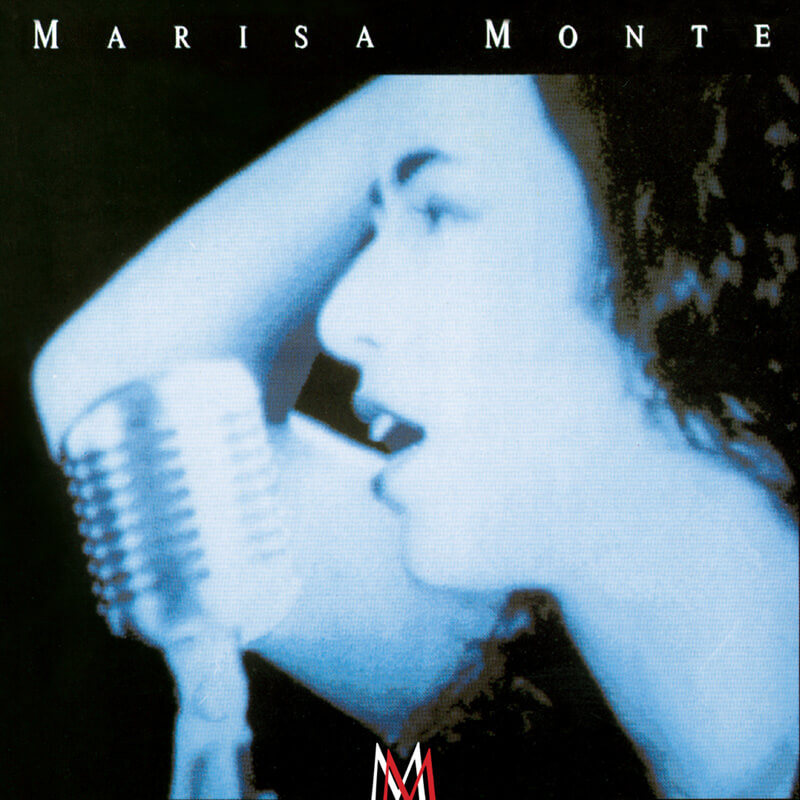
Fotos Capa // Fotograma do especial Marisa Monte
Fotos Contracapa // Márcia Ramalho
Arte-final do CD // Egeu Laus
Coordenação Gráfica // Tice Mousinho e Gualter Pupo
Percussão // Marcos Suzano
Baixo // Ronaldo Diamante
Trumpete // Saulo Dansa
Guitarra // Paulinho Muylaert
Piano // Roberto Alves
Bateria // Edu Szajnbrum
Backvocals // Letícia Monte, Suzana Ribeiro e Joana Motta
Quarteto de Cordas (Bess you is my woman now):
Violino // Michel Bessier e Bernardo Bessler
Cello // Jaques Morelenbaum
Viola // Marie Christine Bessler
PRÍNCIPIOS (1989-1992) – AO VIVO – MARISA MONTE
Intérprete: Marisa Monte
Músicos:
Gigante Brasil - Bateria
Ouvídio Brito - Percussão
Jean Pierre - Teclados
Zeppa - Guitarra
Tuba - Guitarra
Rubão Sabino - Baixo
Tchê e Bukassa - Backing Vocals
ALBUM MARISA MONTE: Produzido por Nelson Motta
ALBUM MAIS: Produzido por Arto Lindsay
Gravado por Antoine Midani
Transcrição e digitalização por Guilherme Reis no Estúdio Discover
Masterização e Finalização por Carlos Freitas
Mixado nos Estúdios Discover e AR
Masterizado no Estúdio Classic Master
Remixado e Remasterizado por Daniel Carvalho no Estúdio Casa da Nina
Uma realização Phonomotor
01. THESE ARE THE SONGS (Ao Vivo), Participação Especial: Ed Motta, AUTORIA: Tim Maia, EDITORA: Sony ATV | 02. EU NÃO SOU DA SUA RUA (Ao Vivo), AUTORIA: Branco Mello, Arnaldo Antunes, EDITORA: Sony ATV | 03. DE NOITE NA CAMA (Ao Vivo), AUTORIA: Caetano Veloso, EDITORA: Sony ATV | 04. VOCÊ NÃO SERVE PRA MIM (Ao Vivo), AUTORIA: Renato Barros, EDITORA: Sony ATV | 05. NÃO QUERO DINHEIRO (SÓ QUERO AMAR) (Ao Vivo), AUTORIA: Tim Maia, EDITORA: Warner Chappell | 06. VOLTE PARA O SEU LAR (Ao Vivo), AUTORIA: Arnaldo Antunes, EDITORA: Rosa Celeste (Altafonte)
Sobre o Álbum
“Conheci a Marisa Monte com 18 anos, no final de 1985, no Rio de Janeiro. Recebi-a, atendendo um pedido de minha irmã, amiga da mãe de Marisa, que queria uma orientação sobre professores e escolas de canto de Roma, onde eu estava morando, e para onde Marisa estava indo estudar. A garota estudava desde os 14 anos e queria ser cantora de ópera, mas gostava e tinha boa cultura de jazz e música brasileira. Dei-lhe alguns nomes e endereços, voltei para Itália e não a vi mais. Um dia em Roma, meses depois, fiquei sabendo dela através da jornalista Monica Falcone. Marisa estava indo estudar em Veneza, passando uns tempos em casa de amigos e me contou que aqueles poucos meses em Roma tinham sido suficientes para ela entender que não seria feliz vivendo fora do Brasil, que para fazer carreira no mundo lírico tinha que viver no exterior, que tinha achado uma chatice acadêmica a sua breve passagem por academias e professores italianos. Ia voltar para o Brasil. Mas no dia seguinte faria uma apresentação, um showzinho meio improvisado, num bar veneziano, acompanhada somente pelo violão do amigo Roberto Bortolucci, simpático dublê de músicos e cameriere, casado com uma Rosa brasileira, apaixonado pela MPB e sabedor de ritmos e harmonias das principais canções de Chico, Caetano, Milton, Gil, etc."